How to Organise a Fair Event in 2026
July 23, 2025
Fairs are having a moment, and not the village green kind (though we like those too). We're talking about the high-impact, well-branded, industry-focused events that connect businesses, spark collaboration, and drive visibility. Whether you call it an expo, a trade show, an exhibition or a fair, this guide breaks down what a fair event actually is, how trade shows and expos fit into the picture, and the planning steps to pull one off.
What is a Fair Event
A fair event is a live gathering that puts ideas, products, services or causes in front of a public or professional audience. These can take the form of business expos, art exhibitions, community fairs or industry-specific trade shows. The format may vary, but the goal is the same: engagement.
Fairs are designed to create space for conversation, discovery and collaboration, whether that's B2B or B2C. They often blend exhibition displays with interactive features and offer a real chance to get in front of the right audience.
If you’ve ever asked what an expo or a trade show is, they’re both types of fairs – typically more structured, often larger in scale, and geared toward commercial or professional outcomes.
What is the Difference Between a Trade Show and a Fair
A trade show is a specific type of fair, one that’s industry-specific, B2B, and built for networking, lead generation and showcasing new products. If you’re still wondering what trade shows are, think of them as structured, invitation-only events for professionals, often with badge access and a tight agenda.
A fair, by contrast, often welcomes a broader audience, from families at a local summer fair to consumers at a lifestyle event. What is the difference between a trade show and a fair? One is commercially focused (the trade show); the other leans toward variety, creativity and accessibility (the fair).

How to Organise a Fair Step-by-Step
Organising a fair – whether it’s an industry event or a community activation – requires clear planning and coordination. Here’s how to get started:
Define the goals
Are you targeting consumers, businesses, or both? Is your fair designed to sell, educate, network, or promote? Your objectives will influence everything – from the format and type of content to how you use the space and who you invite. That direction then filters down into the details, with your audience shaping the layout, session types and exhibitor mix. A summer fair for startups will look very different to a design exhibition or a charity-focused event.
Set your budget (and stick to it)
Budgets guide every decision, from venue to marketing to tech. Build a detailed plan including space hire, AV, signage, security, staffing, and catering, and don’t forget to leave room for surprises (they happen).
Choose the right venue
The venue affects layout, access, atmosphere and flow. It’s not just about square footage; the space should match your brand, be easy to reach, and offer logistical support. Securing your venue early gives you a clear foundation to plan around, from floor plans to suppliers.
If you’re planning in London, The Brewery is worth having on your radar (more on that shortly).
Plan the layout strategically
How people move through the space impacts how they engage with it. Use zones and give attendees room to explore and rest. Create natural paths between key areas: from main showcases and lounges to pop-up stalls and demo areas. Don’t overlook the practical details: clear signage, accessible seating, power sources, and reliable Wi-Fi. Build a layout that works for both first-time visitors and seasoned exhibitors.
Build your exhibitor and partner list
Your exhibitor line-up is what makes the fair worth attending. Target brands and organisations that bring something valuable, whether it’s knowledge, innovation, or relevance. Look for variety in both size and offering, as a strong mix helps attract a wider audience. If you’re working with fair exhibition organisers, tap into their networks – they can open doors to exhibitors you may not have reached on your own. Then, make sure your packages are clear, flexible, and worth the investment.
Plan the Programme
What makes a fair memorable is everything working together – the atmosphere, the content, the energy. Include workshops, panels, good food, live demos and branded experiences that resonate. Think about what kind of fair event ideas will connect with your audience and keep them engaged from start to finish.
Promote the Event
Start building hype at least 8–12 weeks out. Use a mix of email marketing, paid social, PR and industry partnerships. Focus your messaging – people should know what’s on offer, who it’s for and why they should come. Go beyond basic ‘coming soon’ posts; share content that builds interest and gives people a reason to attend.
Prepare for on-the-day operations
This is where all the planning pays off – with a smooth, frictionless event from registration to exhibitor support. Map out a clear schedule, assign responsibilities, brief your team properly, test your AV and registration tech, and build in reset time between sessions. Support for exhibitors is just as important as the attendee experience. Make it easy for them to arrive, set up, and get what they need throughout the day.
Gather feedback and follow up
The event’s over, but your work isn’t. Collect feedback from attendees, exhibitors and your team. Did people stay? Did they engage? What worked – and what didn’t? Whether your goal was lead generation, awareness, or community building, now’s the time to measure it. Track attendance, media coverage, brand engagement, or sales leads – whatever aligns with your KPIs.
The best fair organisers learn from the data and use those insights to make the next event even better.

Organise Your Fair Event in London at The Brewery
A successful fair takes more than just hiring a space and hoping people show up. It’s about knowing your audience, taking a strategic approach to design, and thinking beyond the obvious.
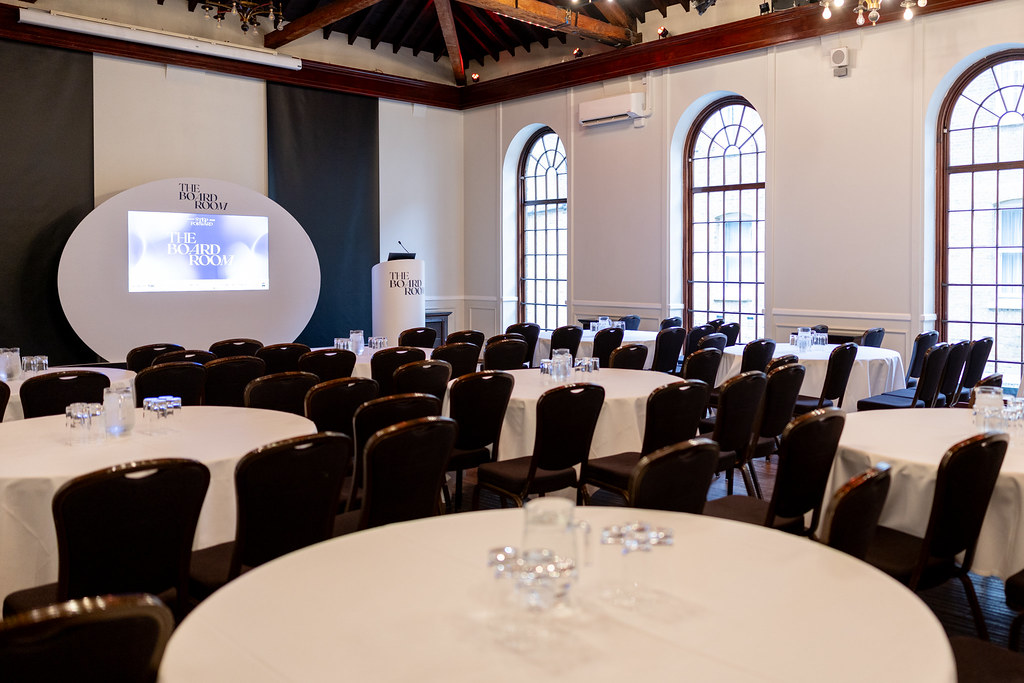
The venue you choose plays a big part in making that possible. The Brewery offers more than a central London location; we give organisers the flexibility, infrastructure and support needed to deliver smooth, high-quality fair events. Our range of rooms allows for custom layouts, whether you’re planning open exhibition zones or breakout spaces, and our on-site AV, catering and logistics teams help streamline planning. And because The Brewery has hosted everything from corporate exhibitions to non-profit showcases, our team understands how to scale your ideas to meet your goals.
Planning a summer fair, a brand activation or your next product expo? Get in touch.
Back to blog