How to Organise a Trade Show
February 10, 2026
The trade show floor is a high-stakes ecosystem where months of planning collide with days of caffeine-fuelled networking. If you’ve ever stood at the edge of a bustling hall and wondered how all those moving parts actually click into place, you’re in the right spot.
We’ve already explored the nuances between trade shows, exhibitions, and trade fairs, and walked through how to organise a trade fair. Now we’re diving into the engine room of the trade show.
What is a trade show
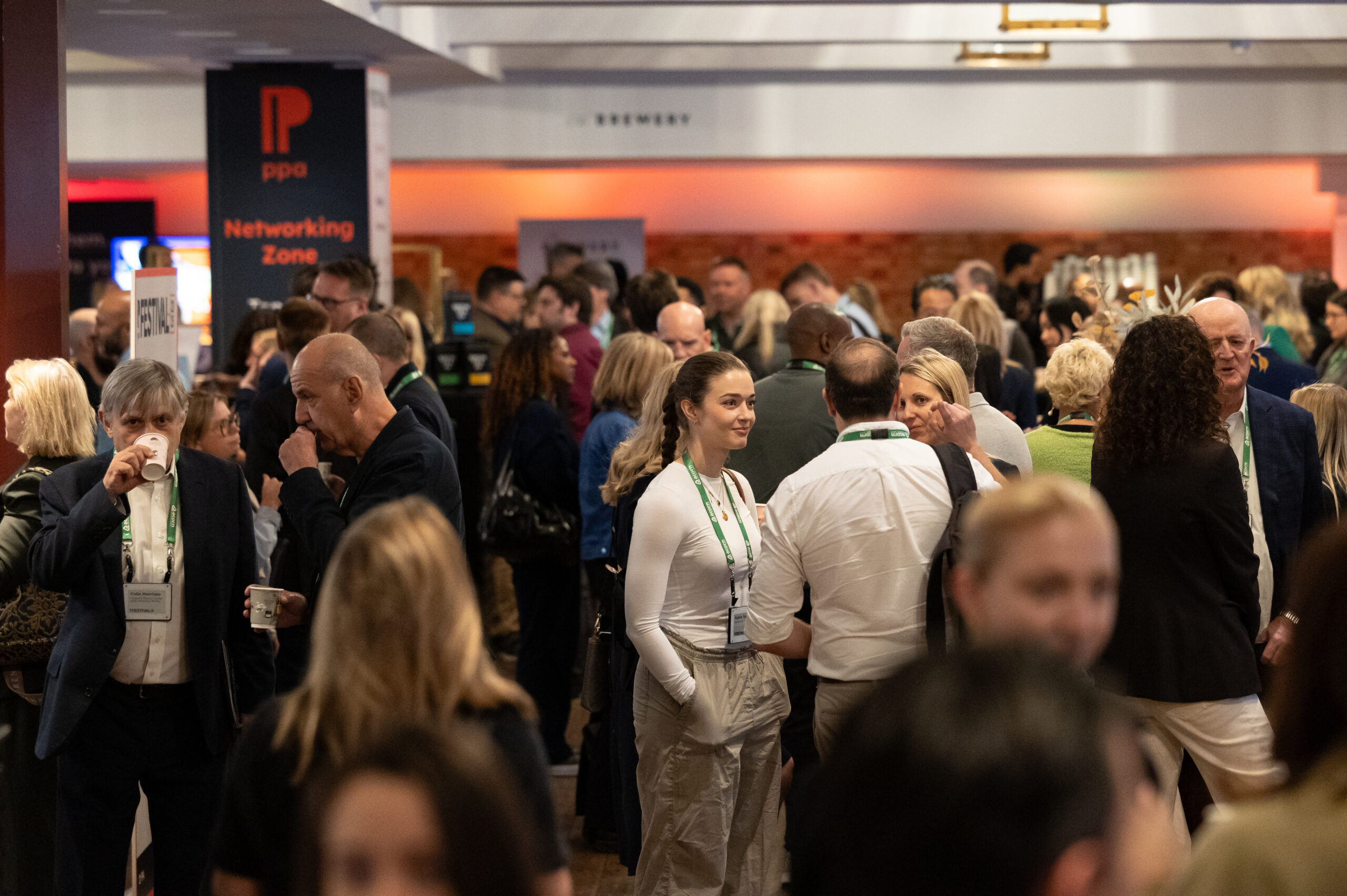
Before you pick up a floor plan, we need to answer the foundational question: what is a trade show? While people often use the term interchangeably with exhibition, a trade show has a more specific commercial pulse. It’s a B2B event where companies in a specific industry showcase their latest products and services to a professional audience. If you’re planning something broader than a trade-only audience, our guide to organising a successful exhibition will help.
At a trade show, the atmosphere is noticeably different from a public expo. It’s more about qualified conversations than casual browsing. You’re creating a space where sales teams can shorten their cycle by meeting a year’s worth of prospects at one event. If an exhibition is a showcase of what is new and exciting in your sector, a trade show is the commercial hub where those products get evaluated, shortlisted, and buying decisions move forward.
Why are trade shows important

So, why are trade shows important in a digital age? Because trade shows compress time. You get the right people in one place, comparing alternatives side by side, and asking questions – meaning exhibitors get face time with decision-makers rather than a cold inbox. There is also a certain level of trust that only develops when a lead can see a product demo in person and look a supplier in the eye.
For brands, it's about visibility and authority. If you are not there, your competitors effectively own the conversation. They’re also a solid source of market intelligence. What are competitors leading with? What questions are buyers asking on repeat? You can learn a lot in one afternoon if you’re paying attention.
And yes, the ‘are trade shows still relevant’ debate comes up a lot. We’ll answer it properly in the FAQs.
Planning a trade show checklist
If you’re new to event planning trade shows, think of the show as two products: the exhibitor offer and the visitor experience. This planning a trade show checklist keeps both in view.
Step 1: Set your goals and define your audience
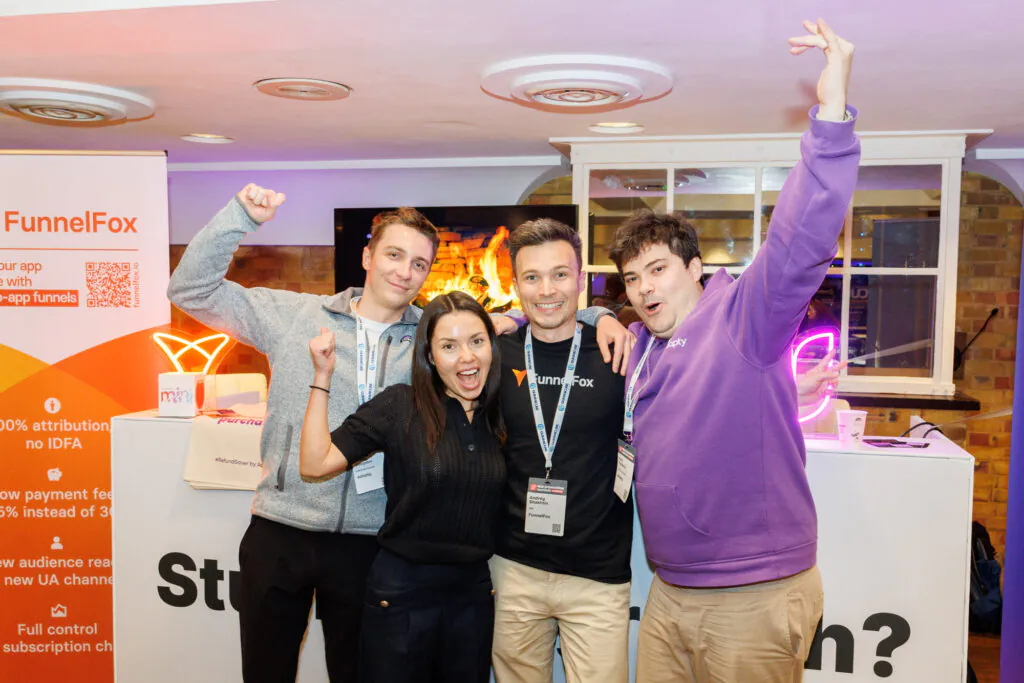
What does success look like the day after the show? If you can’t measure it, you can’t justify the spend. Are you there to launch a product, find new distributors, or simply defend your market share? Once you have the 'why,' the 'who' becomes much clearer. Start targeting specific job titles and sectors early, so your marketing hits the right desks.
Step 2: Establish the budget
One of the first questions we hear is: how much do trade shows cost? The honest answer is that it varies wildly based on your ambition. You need to account for the big four: venue hire, stand build and design, marketing, and staffing. We recommend setting aside a 10% contingency for those inevitable last-minute additions, like extra power sockets or express shipping for brochures that went missing.
Step 3: Secure the venue and date
Timing is everything. Check the industry calendar to make sure you aren't clashing with a major European show or a bank holiday. Once the date is set, work backwards on your timeline: exhibitor sales deadline, final floor plan, print cut-offs, build schedule, comms launch. This becomes the backbone of your planning a trade show checklist.
With the timeline in place, you can focus on the physical requirements. The venue needs to do more than just hold the stands; it needs to facilitate flow. When you’re shortlisting, look for: straightforward loading, reliable connectivity, clear sightlines, enough power, and a mix of open space plus quieter rooms for serious conversations. Then design a floor plan that spreads footfall: anchors deeper in the room, wide aisles, and meeting pockets away from demos.
Step 4: Build exhibitor packages
Most organisers don’t need ten stand options. Three tiers usually work: base, enhanced, and premium. Keep the differences obvious (position, branding, lead capture, content slot, sponsorship add-ons). The more complicated the menu, the slower the sales cycle.
Tip: write one paragraph on who exhibitors will meet and put it everywhere – the deck, the rate card, the website, and your outreach emails.
Step 5: Help exhibitors get the stand right
As the organiser, your show looks as good as your exhibitors' stands. It’s in your interest to provide guidance on how to design a trade show booth that drives engagement. Encourage your exhibitors to think about the 3-second rule – a visitor should understand their value proposition in the time it takes to walk past.
When you share tips on how to design trade show booth layouts, suggest they avoid clutter and use height to their advantage. We have a separate guide on 10 of the best trade show booth ideas to steal – check it out for inspiration.
Step 6: Market it (and make it easy for exhibitors to help)
For visitors, lead with the outcome: supplier comparisons, demos, and bookable meetings. For exhibitors, lead with who they’ll meet and how you’ll drive attendance. For sponsors, lead with visibility and data.
Make it easy for exhibitors to promote: give them copy, images, suggested LinkedIn posts, and a personal registration link they can share. Then build urgency with clear deadlines – stand booking cut-offs, programme announcements, and last chance reminders.
Step 7: Build a simple run-of-show for the day itself
On the day, your job is to keep decisions moving and the floor running smoothly. A calm show feels professional, even when it’s busy.
On-the-day basics we’d put in place:
- a live run sheet (and one person responsible for updates)
- a floor lead with decision-making power
- a visible help point for visitors and exhibitors
- quick walk-throughs: queues, signage, dead zones, noise levels
- a clear comms channel for exhibitors
Before doors open, do a 15-minute briefing with staff and key suppliers. Cover: where to send problems, who can approve changes, when breaks happen, and what 'good' looks like on the floor. If you’re exhibiting too, agree to a simple dress code (see the FAQ on what to wear at a trade show), so your team looks consistent.
Step 8: Capture leads, measure results, and plan the follow-up
Decide on your lead capture method before the doors open: scanners, an app, or simple QR forms per stand. We suggest training teams to record at least one qualifying detail – timeline, budget, or specific need – so those leads don't just become a messy list of names.
Collecting this data early means you won't be guessing later when it comes to how to measure trade show effectiveness. Instead of just counting badges, we like to keep the focus on attendee quality, exhibitor outcomes like meeting counts, and time spent on the floor. If you want one headline number, pick a single ‘north star’ metric (such as qualified meetings booked) and use the rest of the stats as supporting context. If you need more information, you can also read our guide on how to get feedback from an event.
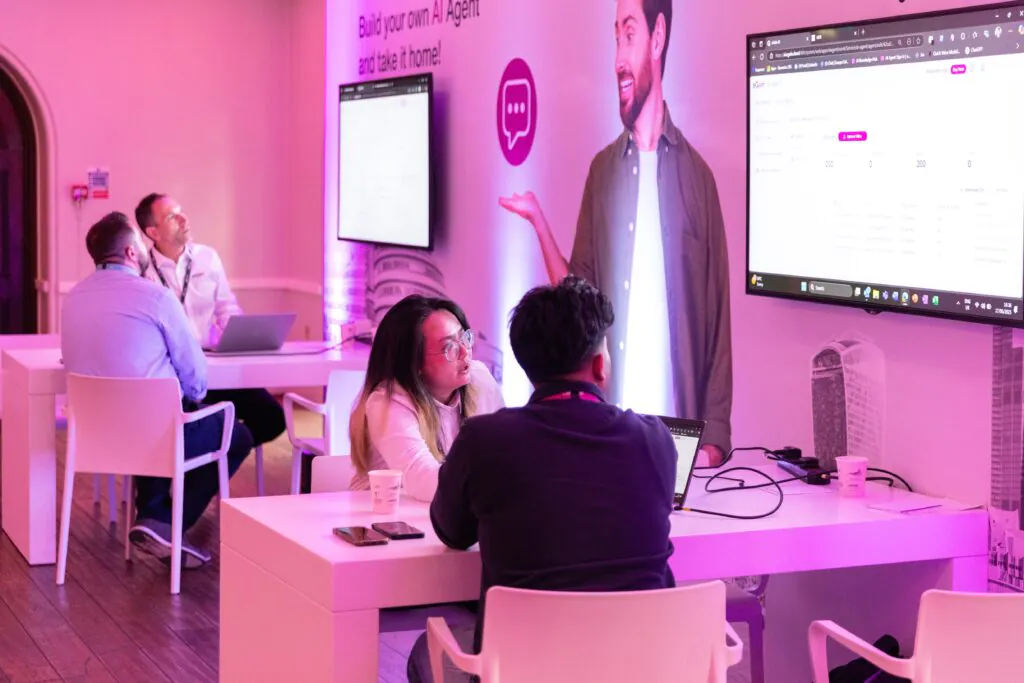
While we love a physical event space, virtual trade shows have become a powerful tool for hybrid events. They allow you to reach those who couldn't travel and keep the content live long after the stands have been packed away. If you’re running virtual trade shows or a hybrid layer, have an online directory, bookable slots, short demos, and clear CTAs (calls to action). We’ll cover how do you stand out in a virtual trade show in the FAQs.
Host your trade show at The Brewery
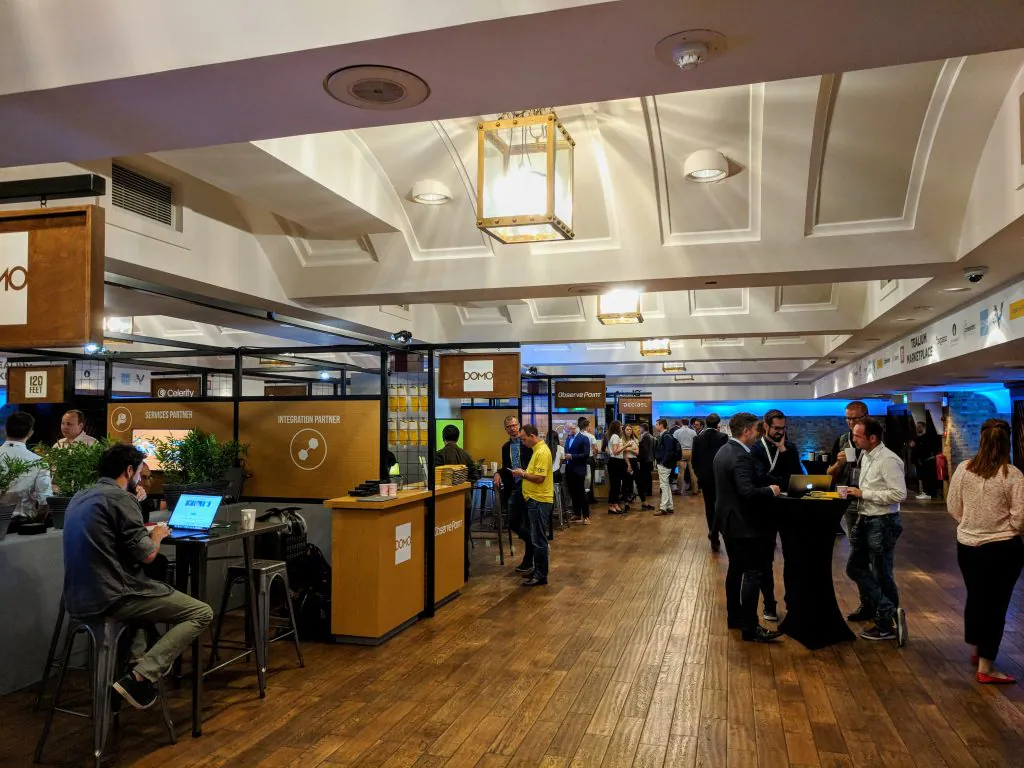
If you’re looking for a venue that understands the mechanics of how to organise a trade show, we’re here to help. Located in the heart of the City, The Brewery handles the heavy lifting – from complex power requirements to seamless exhibitor load-ins – while providing a professional backdrop that gives your event instant credibility.
We know that a trade show is a marathon. That’s why our team works alongside you to manage the flow, tech, and hospitality. We make sure the environment is as conducive to business as possible, allowing your exhibitors to focus on their leads and your attendees to focus on discovery. You can see more about our exhibition and trade show capabilities here.
Organise a trade show FAQs

How much do trade shows cost?
There’s no single figure, but most budgets are driven by venue, build, tech (power and Wi-Fi), staffing, and marketing. Cost it in layers: essentials first, enhancements second. If exhibitor sales fund the show, work out your break-even stand count early, then price packages so you can hit it without panicking at the last minute.
Are trade shows still relevant?
Yes – when they’re designed around how people buy. Relevance comes from value. In many sectors, buyers still want comparisons, trust, and quick answers in person. The bar is higher now: make the exhibitor mix targeted, add meeting options, and keep the event experience easy to navigate.
How to follow up after a trade show
Speed is vital. Within 48 hours, send a short note that references the conversation and suggests one next step. Segment your list (hot, warm, future), so you’re not sending the same message to everyone. If you can, book follow-up calls before attendees leave the venue – it turns good intent into a diary slot.
What to wear at a trade show
Aim for professional and comfortable. You’ll be on your feet all day, so choose your shoes wisely. Match the sector (smart casual is often safe), and avoid anything that will make you overheat in a busy space.
How do you stand out in a virtual trade show?
Engagement is the winner here. Provide live–streamed demos and interactive chat rooms. High-quality video content and live Q&As will always perform better than static images.
Lead with one clear offer and make it easy to act on: book a slot, download a practical resource. Virtual visitors skim quickly, so keep pages simple, CTAs obvious, and response times fast.
How to collect leads at a trade show
Use a method your team will stick to: scanners, an app, or a quick QR form. Train staff to ask one qualifying question and record the answer. After the show, tidy the list, tag it, and start outreach while the conversation is still warm – that’s when you get replies.
Back to blog