How to Organise a Trade Fair
February 10, 2026
If you’re organising a trade fair for the first time (or the tenth), you already know the stakes: lots of moving parts, dozens of stakeholders, and a short window to get the right people to show up. While it might look like a logistical mountain to climb at first, we often see sales leaders find their biggest leads of the year in a single afternoon once the doors open.
The good news? Once you make a few smart decisions early on, the rest becomes a series of manageable choices.
What is a trade fair

Let’s start by defining the basics. A trade fair is a business event where organisations exhibit products or services to a targeted audience. While it might look like stands and brochures, it’s primarily a B2B (business-to-business) environment built for fast comparisons and high-volume conversations.
Unlike a conference, where content is the main draw, the exhibition floor is the headline at a trade fair. These events are usually geared towards one of three objectives:
- Sales pipeline: meetings, demos, and deals
- Brand and positioning: being seen in the right place, alongside the right brands
- Market intelligence: competitor scanning, customer feedback, trend-spotting
Before we get into planning, you need to decide if you want a ‘browse-and-discover’ layout or a structured, meeting-heavy show. That choice will shape your layout, comms, and even your registration.
How to organise a trade fair
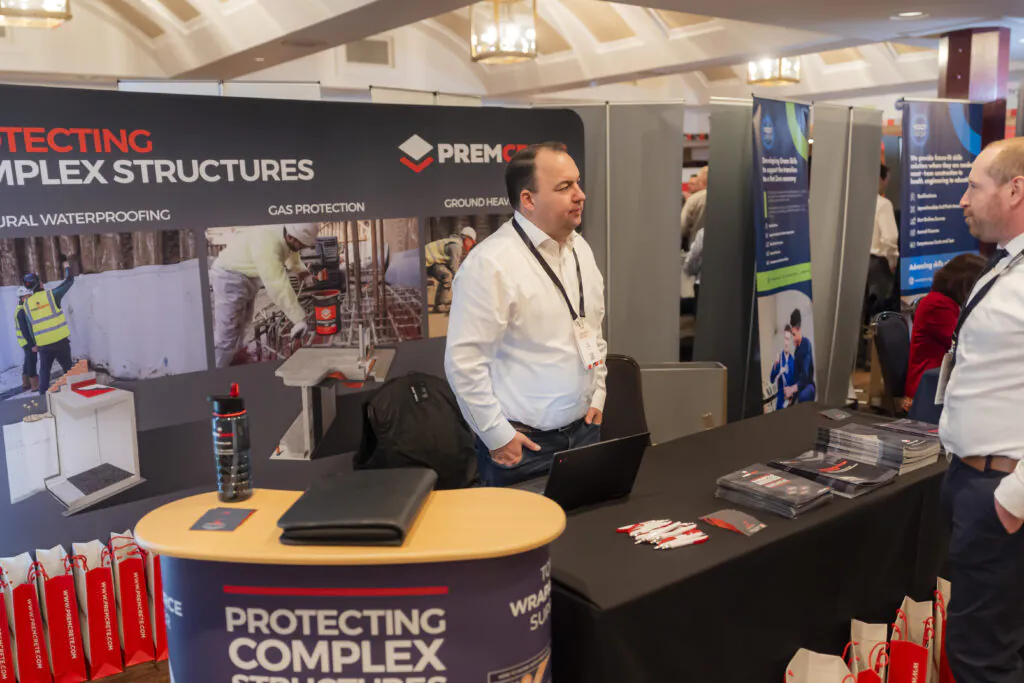
Here’s a straightforward way to plan a trade fair that delivers – from goals and budgets to floorplan and follow-up.
Step 1: Set your goals
Start with outcomes. Pick two or three primary goals and set simple measures for them. Sanity-check these with your team early; sales might want volume, while marketing cares about seniority and brand fit. You can’t optimise for everything at once, so agree on the priority now.
Step 2: Define your audience and why they should come
Trade fairs can be very quiet if you don’t attract the right people. Rather than targeting ‘everyone in the industry’, start by zeroing in on exactly who you want there – perhaps heads of purchasing at mid-sized companies or ops managers assessing new vendors.
Be clear about what they will get: the chance to compare suppliers, see live demos, and meet partners. Once the who and the why are sorted, your messaging gets easier because you are selling access to a specific group.
Step 3: Build the budget
The budget is easier to tackle when you start with the biggest items first. Map out main costs like venue hire, build, AV, and marketing, leaving room for contingency as surprises happen.
On the income side, look at exhibitor stands, sponsorship, and add-ons such as furniture packs. Keep exhibitor packages simple; three options are usually enough – base, mid-tier with better placement, and a premium with the extras. If you are offering sponsorship, tie it to outcomes like visibility or attendee data, and only sell what you can deliver.
Step 4: Lock in the date
Trade fairs live and die on calendars, so check for major industry events in the UK and Europe, school holidays, and even transport disruption. If you’re hosting a trade fair in London, assume some people will come by train and need an easy arrival. Mid-week is usually strongest for business attendance, but the right day depends on your attendees’ diaries. Once the date is chosen, confirm it and work backwards: exhibitor sales deadlines, marketing launch, print cut-offs, and build schedules.
Step 5: Choose your trade fair venue
A trade fair venue doesn’t just give you space; it creates the entire experience of the day. Check capacity, flow, ceiling height for stand builds, and power requirements for heavy tech displays. Ensure the space has accessible routes and quiet breakout areas for meetings. And don’t assume standard Wi-Fi will cope with multiple demos running at once; always confirm the technical spec in advance.
Ask yourself: do we want one large space, or multiple zones? Zoned layouts often keep visitors around longer because there is a logical flow and places to pause between areas.
Step 6: Design the floorplan
Visitors don’t browse in a neat pattern; they head towards what they can see and hear. Place registration where queues won’t block the main entrance, and use anchor exhibitors deeper in the room to pull visitors through and spread footfall. Create a central aisle wide enough for two-way traffic, and consider grouping start-ups into a dedicated row that is easier to browse and promote. Designate meeting areas away from noisy demos to allow for conversation. Finally, provide a simple exhibitor manual covering build times and access points; specific guidance here reduces frantic calls later.
Step 7: Market it
Pick a clear hook for each audience segment. For visitors, lead with key benefits like hands-on demos and supplier comparisons. For exhibitors, focus on who they will meet. Marketing trade fairs London style means using every tool in the box: lean on partner channels that already have reach, use direct LinkedIn outreach, and set up retargeting for those who visit your registration page but don’t convert. If you have it, use your content as promotion; announce sessions and speakers in advance to pull registrations over the line. If you are wondering how to organise a trade fair promotion schedule without stress, announce early and run a focused visitor campaign in the final eight weeks.
Step 8: Run the day and follow up
A well-run event has a rhythm: visitors know where to go, exhibitors know what to expect, and your team knows who’s doing what. On the day, keep a live run sheet, a floor lead with decision-making power, and a visible visitor help point. Plan the follow-up before the doors open, encouraging exhibitors to capture leads via scanners or apps. Follow up with exhibitors within a week to ask for indicators of success, like lead quality or meetings booked, to judge your ROI.
The Brewery, your perfect London trade fair venue
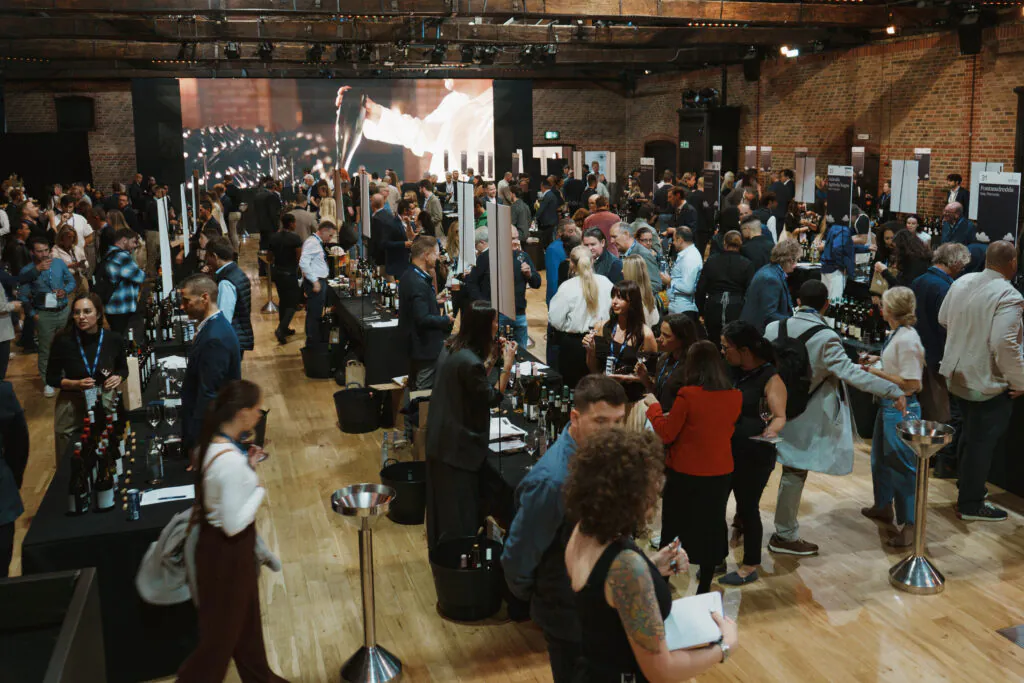
If you’re planning a trade fair in the capital, a central location and a team that understands corporate events make a big difference. The Brewery is a London trade fair venue in the heart of the City, with a mix of large spaces and flexible rooms that can work for exhibition floors, breakout sessions, sponsor activations, and meetings.
What tends to matter most for planners is how smoothly the day runs. That’s where details count: efficient load-in, reliable connectivity, adaptable layouts, and a venue team that’s used to complex schedules and multiple suppliers. The venue can also act as a silent partner in your sales pitch; a space that feels professional and well-run gives brands confidence in the logistics and the day itself, which makes it that little bit easier to sell your exhibitor packages. Whether you’re building a single-hall exhibition or zoning your event with demos and private meeting areas, The Brewery’s spaces support the flow you want.
If you’re exploring trade fair London options and want a venue that works for both exhibitors and visitors, get in touch to see how our spaces can work for your event.
Back to blog