How to Organise an Art or Photography Exhibition
February 16, 2026
There is a particular kind of energy that fills a room when people gather to look at something tangible. In an age where we swipe through hundreds of images a day, a physical photography exhibition or art show provides a much-needed pause. It invites people to slow down and connect with the story behind the frame.
Whether you’re showcasing a year of brand evolution, celebrating local talent, or launching a new product through a visual narrative, a well-planned event can leave a lasting impression that a digital gallery never could. Read on for our tips on organising an art exhibition.
Organising an Art Exhibition in 2026
In 2026, attention is a scarce resource – catch it quickly, or it’s gone. People aren’t looking for a simple walk-through exhibition any more; they want an experience. It’s no longer enough to hang pictures in a row. That’s why we’re seeing a move towards immersive layouts, integrated technology, and a setting that encourages conversation. So how exactly do you pull that off? Here’s how to organise an art exhibition – including a photography exhibition – in seven simple steps.
If you want more information, read our guide on how to organise a successful exhibition.
1. Decide on the why
Before you look for a venue for exhibiting art, you need to get clear on why you’re doing this. Is it an internal culture moment, a client-facing networking event, a product-adjacent brand story, or a CSR partnership with art as the connector? The goal changes everything – the tone, the guest list, how people move through the space, even the wall text. It also gives you the foundation for a clear theme. If you don’t have one, your exhibition can end up looking like a chaotic jumble of images that have nothing in common besides the fact that they’re all rectangular. A simple way to lock in your objective is to write one sentence you can repeat: ‘We’re hosting this exhibition to…’ If you can’t finish that sentence, you don’t need more ideas; you need a sharper purpose.
2. Set the budget and timeline
Pick your date window, work backwards, and build in room for approvals, printing lead times, and venue access. Budget for the obvious (venue hire, catering, professional printing and mounting, promotion and PR) and the less glamorous essentials (installation hardware and tools, insurance, technicians, security, signage, and transport). Your timeline shouldn’t be optimistic. If someone gets ill or a delivery turns up late, you still open on time.
3. Curate the work
Choose pieces that make sense next to each other, not just individually. Be ruthless with the edit. Too many works will crowd the room and overwhelm the viewer; a confident show often has fewer pieces and more space. Once you’ve made the cut, finalise the practical details: sizes, finishes, frames, captions, pricing (if relevant), and who’s responsible for production. If you’re mixing photography and art, decide early how consistent you want it to look.
4. Finding the right art exhibition venue
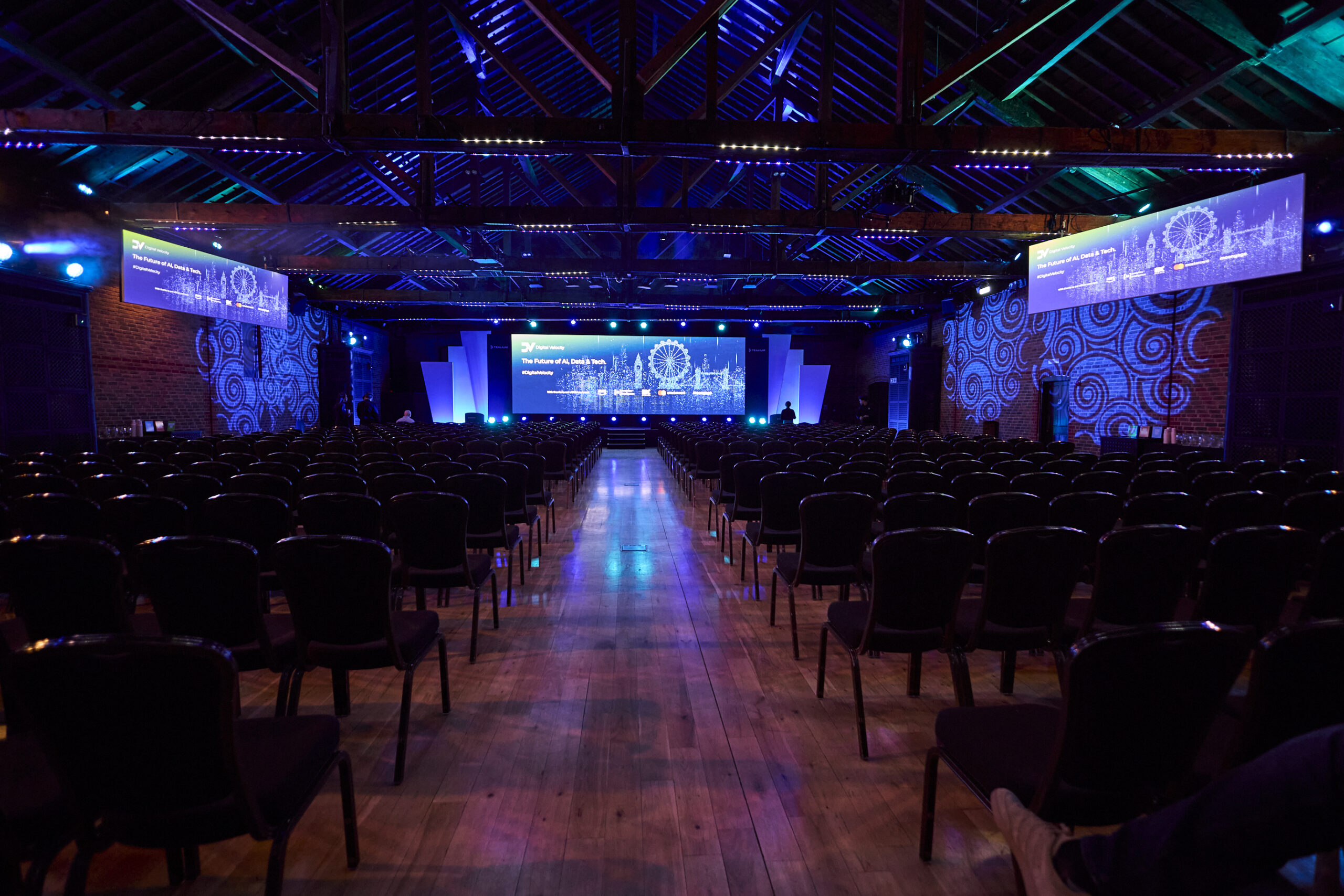
The space you choose acts as the silent narrator in the story. You’re looking for a venue that offers a balance of character and neutrality. The strongest photography exhibitions in London don’t rely on the art alone – they choose a space that supports the work and lifts it, without becoming a distraction. When shortlisting venues for art exhibitions, don’t be afraid to ask the boring (but vital) questions about installation and event logistics. Confirm wall surfaces, fixing rules, hanging systems, lighting options, access routes, loading times, storage, security, and what the venue team will support on the day. If you’re using an art exhibition organiser or an agency producer, loop them in so they’re part of the conversation.
5. Design the experience
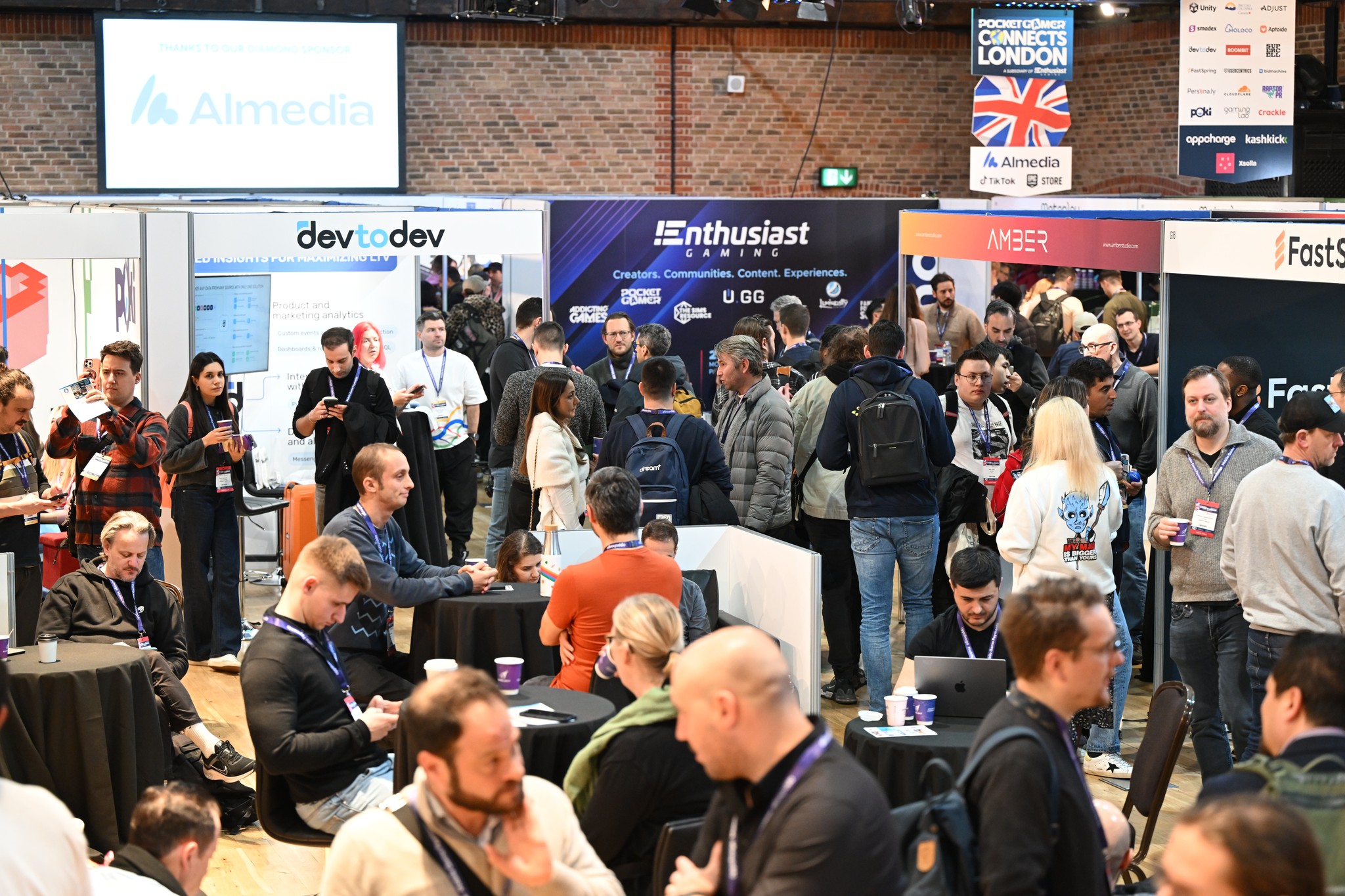
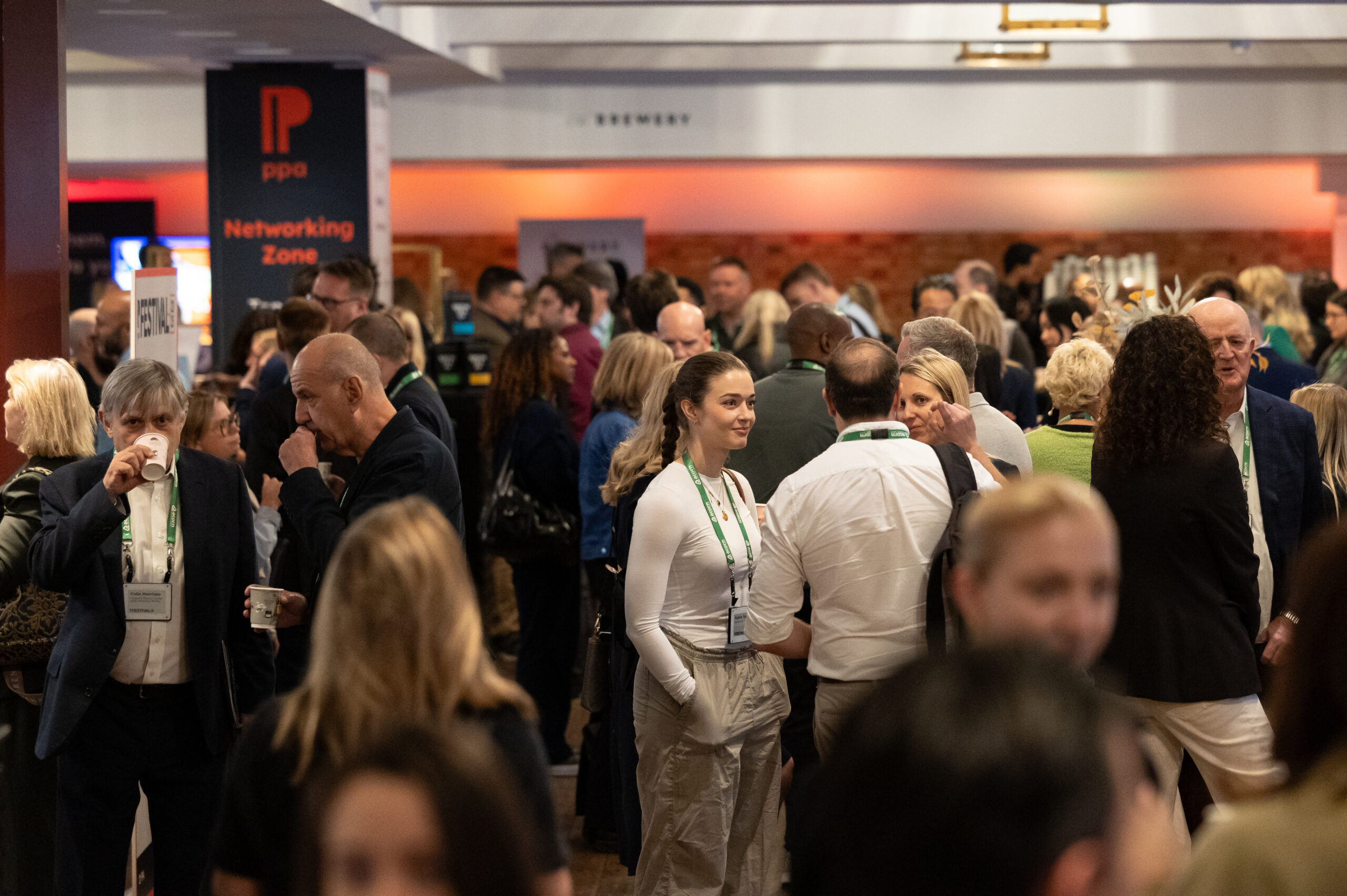
Design the guest journey like you’re guiding someone through a story. What do they see first? Where do they pause? Where do conversations naturally happen? Map it out, then plan lighting to flatter the art (and your event photos). Write clear, short labels that give the viewer context. If you’re running a private viewing, decide on the programme: a short welcome and talk, maybe a guided moment – but keep it tight.
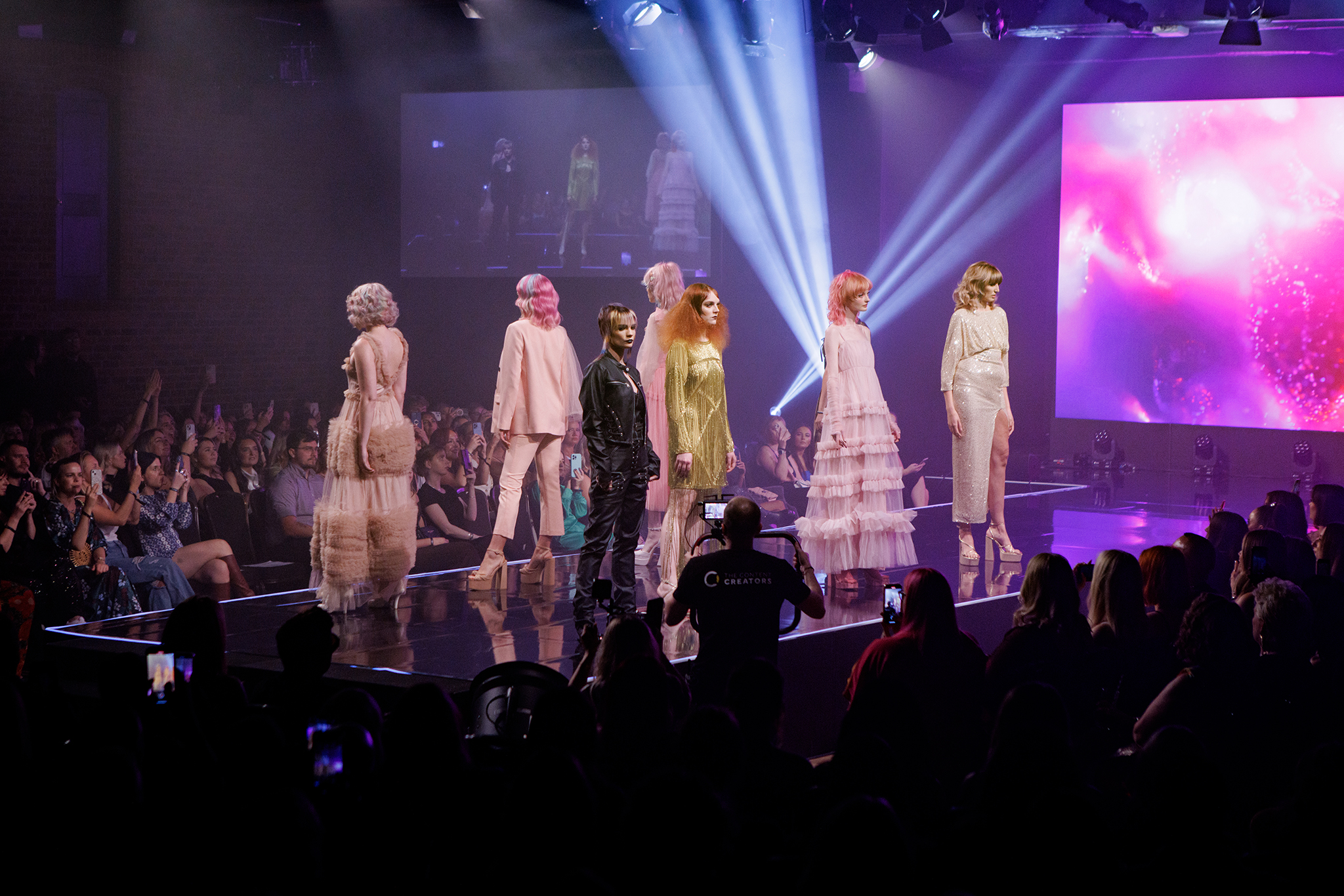
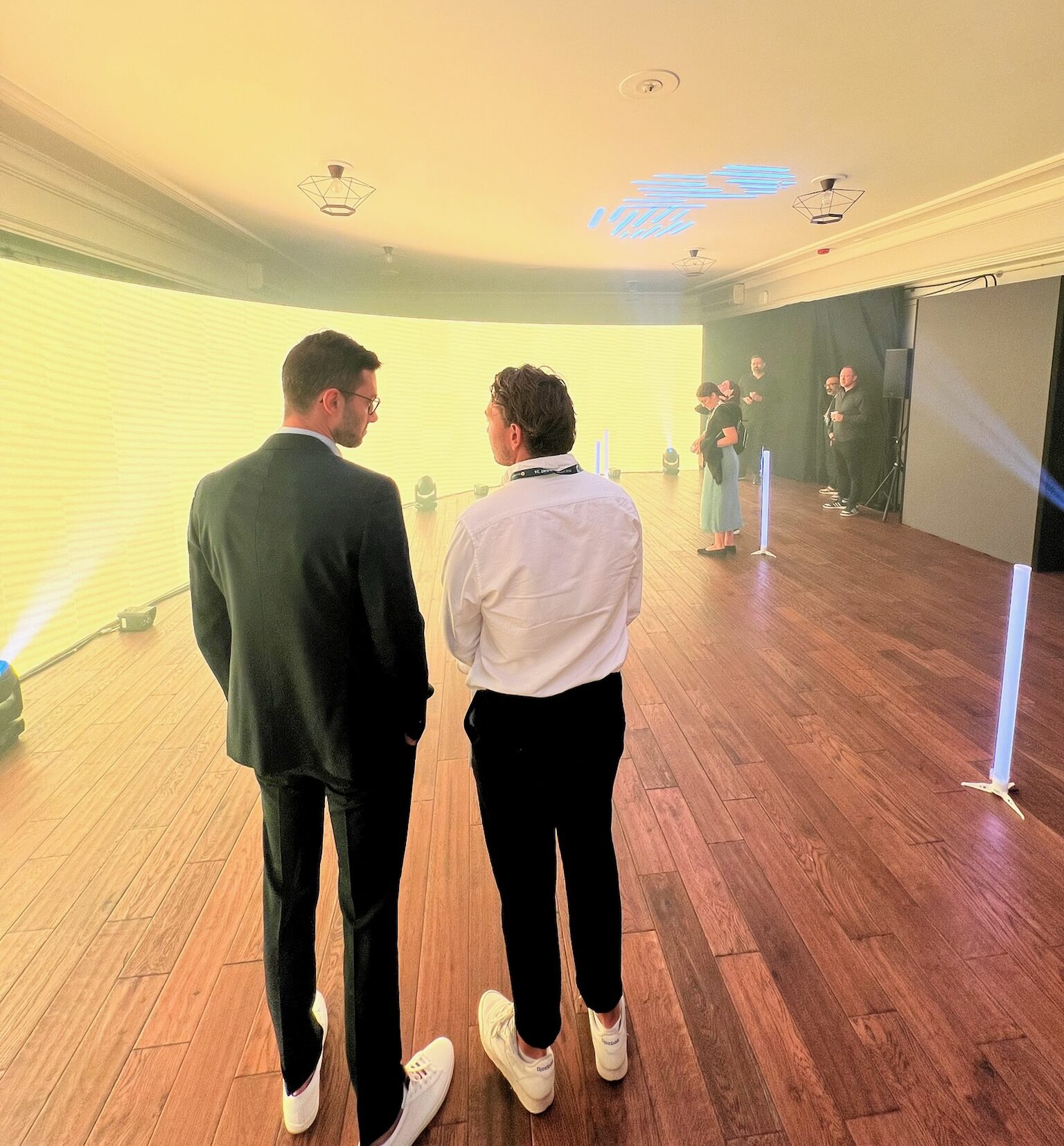
We’re seeing a broader shift towards immersive, multi-sensory exhibitions, where guests feel inside the work rather than standing back from it. The idea is that the space helps carry the message – and you don’t need full-wall projections to borrow that effect. Even small choices can draw people into the experience – a shift in lighting, a subtle audio layer, a textured backdrop, and even a touch of light haze to catch the beams and add depth.
6. Promote and invite
This is where many exhibitions quietly sabotage themselves. You cannot whisper about your event and then be surprised when the room is empty. Treat the invite like part of the exhibition design – it sets expectations before anyone sees a single frame.
Build a simple promotion plan: save the date, invite, reminder, and a day-of nudge. Make the value obvious: why they should come and what they’ll see and do. Then give people an easy ‘yes’: clear start and finish times, location, dress code (if it matters), and a straightforward RSVP.
7. Deliver and follow-through
It’s showtime. Arrive with a plan, a tape measure, and enough calm to make decisions fast. Hang the hero wall first, check alignment, adjust lighting after the work is up, then place labels last. Create a clear welcome point, good flow, and plenty of space to browse. After de-rig, do the bit that turns an event into an asset: share the photos, post a recap, thank contributors, report outcomes (attendance, press, partner reach, sales and donations, engagement). The exhibition ends on the wall, but it should keep working in your comms for weeks.

The Best Art Exhibition Venue in London
London is a city that lives and breathes creativity, which means the competition for attention is high. When you’re looking at the art exhibition venues London offers, you’ll find plenty of options, but few combine blank-canvas flexibility with character in the way The Brewery does. If you’re after more than four blank walls – and you want a space that can handle both the visual and operational side – we can help. The Brewery is built for events, so everything behind the scenes is taken care of, leaving you to focus on the show itself.
And if you want a hint of the immersive feel we mentioned earlier, our in-house AV partner can support the production, and many of our spaces have LED lighting for colour washes – ideal for shaping different chapters of the show, highlighting hero pieces, or shifting the mood as the event moves along.
Get in touch to find out more.
Back to blog